

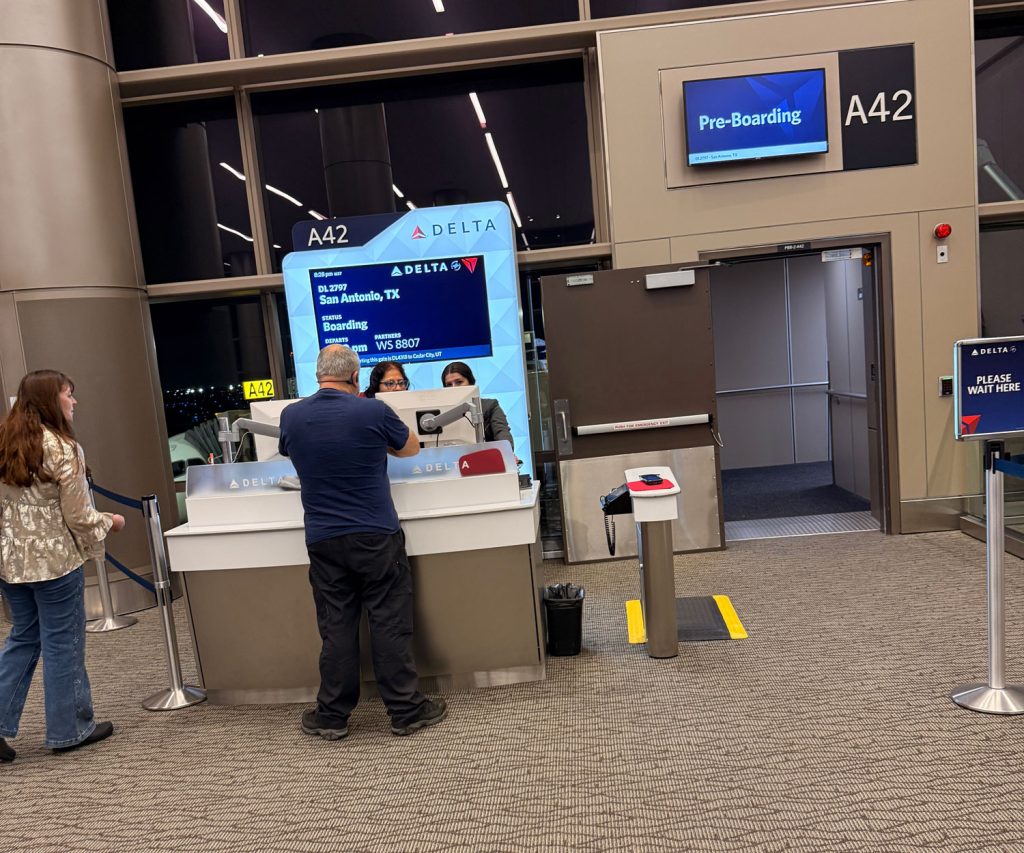
The alarm blared at 4:30 a.m. It was still dark outside, but my mind was already buzzing with the day’s plans. I had a 6:55 a.m. flight to San Antonio for The Running Event, a key business trip I had been looking forward to. As I reached for my phone to call a ride to the airport, a notification flashed across the screen. My heart sank. “Flight Canceled.”
In an instant, my carefully planned schedule crumbled. The airline had automatically rebooked me on a flight at 4:00 p.m. that afternoon. A quick calculation told me I wouldn’t land in San Antonio until after 9:00 p.m. By the time I retrieved my luggage and got to the hotel, the first day of the event would be completely over.
To make matters worse, the new itinerary included a tight connection in Atlanta. I had only 50 minutes to get from my arrival gate to my departure gate. A wave of anxiety washed over me. What if my first flight was delayed? Would I make it? And what about my checked bag? Would it make the connection even if I did? The sheer panic of the unknown was overwhelming.
This experience, while stressful, served as a powerful reminder that travel rarely goes exactly as planned. If you find yourself facing a similar situation, here are some practical tips to help you navigate the chaos and regain control.
Expect the Unexpected
The single most important rule of travel is to be mentally prepared for disruptions. Flights get canceled, connections are missed, and luggage gets delayed. While you can’t prevent these issues, accepting them as a possibility can help you react more calmly and effectively when they occur. Building flexibility into your schedule, such as not booking critical meetings immediately after you land, can provide a valuable buffer.
Stay Calm and Act Quickly
Receiving a cancellation notice can trigger immediate stress, but panicking won’t help. Take a deep breath and focus on finding a solution. The moment you are notified of a cancellation, you need to act. Other passengers on your flight are in the same boat, and available seats on alternative flights will disappear quickly.
Your first step should be to contact the airline. While the line at the customer service desk will likely be long, you can often get faster service by calling the airline’s customer support number or using their mobile app. Many airlines have robust apps that let you view alternative flight options and rebook without ever speaking to an agent.
Know Your Rights as a Passenger
Airlines have specific obligations to passengers when they cancel a flight. These rules, known as the “Conditions of Carriage,” are a contract between you and the airline. While the specifics can vary, you are generally entitled to a spot on the airline’s next available flight to your destination at no additional cost.
If the cancellation results in a significant delay, you may also be entitled to compensation, such as meal vouchers, hotel accommodation, and transportation to and from the hotel. Don’t be afraid to ask the airline agent what you are entitled to politely. Knowing your rights empowers you to advocate for yourself and ensures you receive the assistance you deserve.
Pack a Strategic Carry-On Bag
My experience taught me a crucial lesson: always bring some toiletries and a spare pair of clothes. Having these items with you means that a delay or an unexpected overnight stay is an inconvenience, not a crisis. You can freshen up, change your clothes, and keep your devices powered while you sort out your new travel plans. This simple act of preparation can dramatically reduce the stress of a long delay.
Leverage Travel Insurance
Travel insurance can feel like an unnecessary expense—until you need it. A good travel insurance policy can be invaluable in the event of a flight cancellation. Depending on your plan, it can cover hotel costs, meals, and rebooking fees that the airline might not.
Before your trip, review your policy to understand what is covered under “trip interruption” or “trip delay.” Keep the policy number and the insurance company’s contact information easily accessible. If you have a credit card with travel benefits, check to see what protections it offers. Many premium travel cards provide excellent built-in insurance when you use the card to book your flight.
Turning Setbacks into Opportunities
Travel disruptions are frustrating, but they don’t have to ruin your trip. By staying calm, acting quickly, and being prepared, you can handle a flight cancellation with confidence. These challenges test our patience and adaptability, but they also remind us of our own resilience.
Ultimately, travel is about more than just reaching a destination. It’s about the journey itself, including the unexpected detours. Embracing this mindset can help you navigate any bumps along the way and ensure your adventures, planned or unplanned, are always worthwhile.