

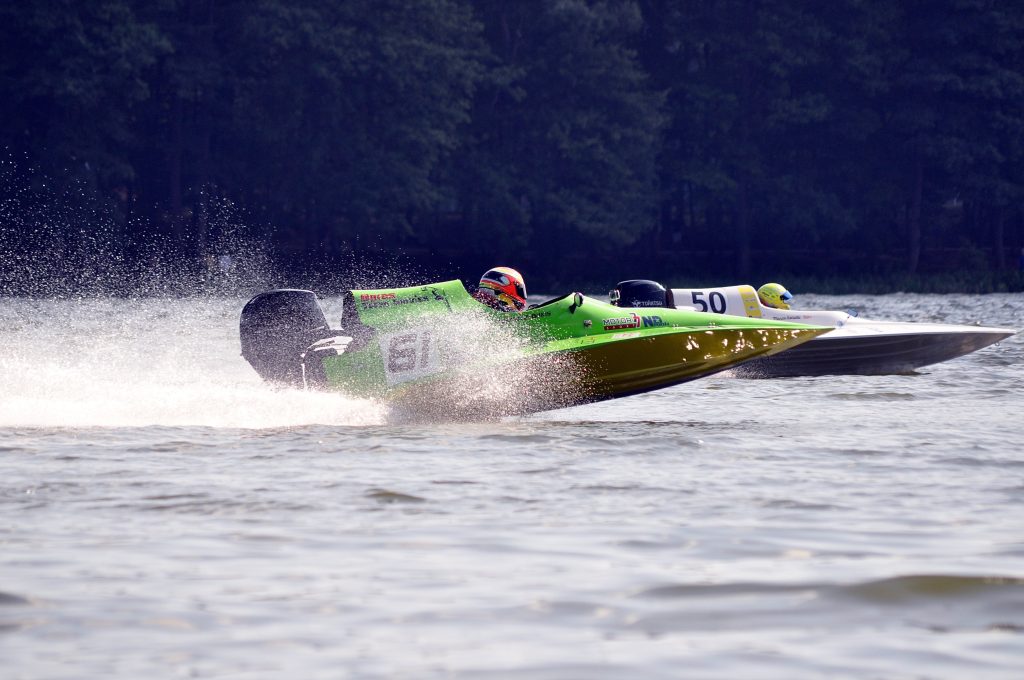
Have you ever found yourself pressing just a little too hard on the gas pedal on an open highway? Or felt that small thrill when your train pulls out of the station, accelerating faster and faster? It seems like no matter how old we get, there’s a part of us that just wants to go faster. From kids racing on their bikes to adults eyeing the latest sports car, this urge is a fundamental part of who we are. But why? What is it about speed that captivates us so deeply?
We chase faster internet, faster deliveries, and faster results. Yet, when it comes to the pure, physical sensation of speed, something else is at play. It’s more than just efficiency; it’s an emotional and psychological rush. But perhaps the real prize is the thrill of the journey itself.
The Primal Pull of Acceleration
Our fascination with speed isn’t a modern invention. Think about our earliest ancestors. The ability to run fast could mean the difference between catching dinner and becoming dinner. Survival was linked to speed, agility, and the capacity to outpace threats. This instinct is hardwired into our DNA. That jolt of adrenaline you feel when you accelerate isn’t just for fun; it’s a leftover evolutionary response from a time when that chemical surge prepared our bodies for critical action.
Today, we may not be chasing mammoths, but that primal system still kicks in. When we experience high speeds, our brains release a cocktail of powerful chemicals, including adrenaline and dopamine. Adrenaline puts us on high alert, sharpening our focus and heightening our senses. Dopamine is the “feel-good” neurotransmitter associated with pleasure and reward. This combination creates a potent feeling of euphoria and excitement, often called a “rush.” It’s an intoxicating feeling that can become quite addictive, explaining why people are drawn to everything from roller coasters to racing.
More Than Just a Chemical Rush
While biology plays a huge role, our obsession with speed is also deeply psychological. Moving fast gives us a powerful sense of control and freedom. When you’re behind the wheel, on a motorcycle, or even skiing down a mountain, you are in command. For a few moments, the complexities and constraints of daily life seem to fade away. There is only the path ahead and your ability to navigate it.
This feeling of liberation is incredibly appealing. In a world full of rules, responsibilities, and schedules, speed offers a temporary escape. It’s a form of active meditation where the mind is forced to focus entirely on the present moment. You can’t worry about an email you forgot to send or a bill that’s due when you’re navigating a turn at high speed. All that matters is the immediate experience—the wind, the sound, the blur of the world flying by. It’s a feeling of being intensely alive.
The Journey Is the Destination
Here’s where the idea gets really interesting. We often think the goal of going fast is to get somewhere quicker. But what if the destination is irrelevant? What if the true reward is found in the act of pursuit? Think about it.
The most memorable parts of a road trip are rarely arriving at the hotel. The magic happens during the drive—the conversations, the unexpected detours, the shared experience of moving through the world together.
This concept applies perfectly to our need for speed. The excitement isn’t in finally stopping; it’s in the continuous act of moving, pushing, and challenging our own limits. The chase is more thrilling than the catch. Once you reach the top speed or cross the finish line, the rush begins to fade. The feeling you crave is the one you had during the experience, not after it ended.
This suggests that our obsession is not with a final outcome but with the process. We are drawn to the feeling of potential, the sensation of becoming faster, and the focus required to maintain control under pressure. The destination is just an excuse to start the journey.
What’s Your Need for Speed?
So, the next time you feel that urge to go a little faster, take a moment to reflect on it. Is it about saving a few minutes on your commute, or is it something more? Are you chasing that feeling of freedom, that moment of pure focus where everything else melts away?
There’s no right or wrong answer. Our relationship with speed is personal. For some, it’s a competitive drive to be the best. For others, it’s a form of therapy, a way to clear the mind and feel a sense of control. Understanding this impulse can tell us a lot about what we seek in life—excitement, freedom, or simply a moment of pure, unadulterated presence.
Perhaps the greatest lesson speed teaches us is to appreciate the experience while it’s happening. It reminds us that sometimes, the most valuable part of any endeavor isn’t reaching the end, but the richness and intensity of the journey we take to get there.